How to Boost Local Business Citations in AI-Generated Responses: Essential AIO Strategies for 2025
Jul 30
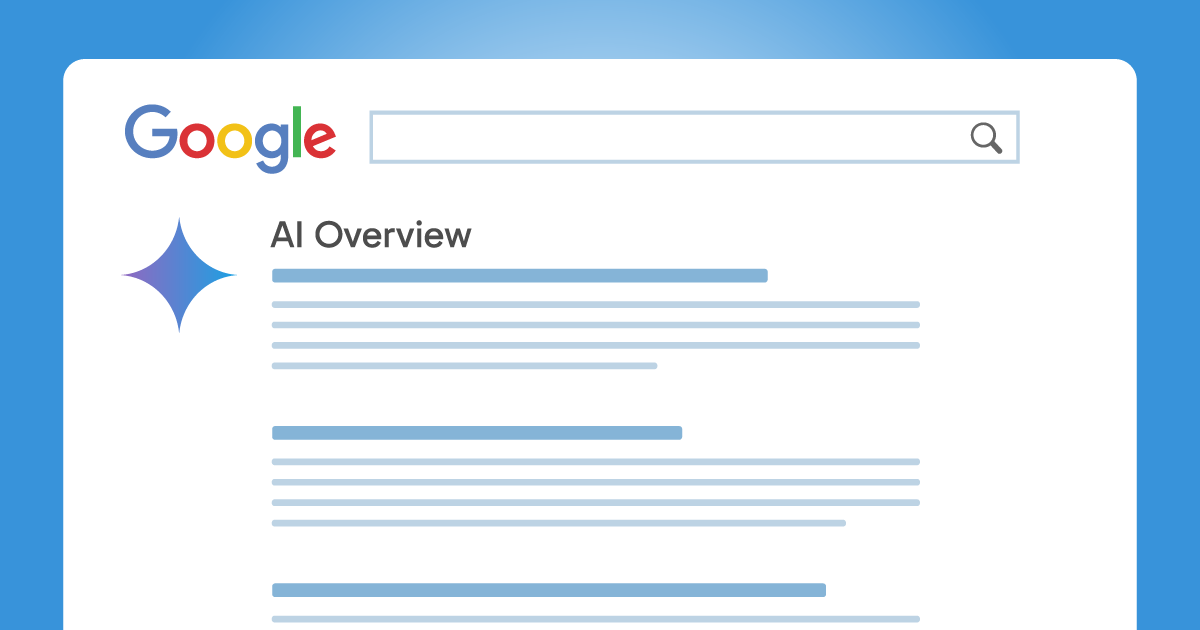
In the fast-evolving digital landscape of 2025, AI models are fundamentally transforming how users discover local businesses. Traditional search engine links are increasingly giving way to direct, AI-generated answers that pull from trusted sources, with AI Overviews appearing in 13.14% of all queries as of March 2025. This shift means local businesses must prioritize strategies that enhance citation visibility in generative responses from tools like Google's AI Overviews (Gemini 2.0), ChatGPT, or Perplexity. By leveraging Generative Engine Optimization (GEO) techniques—such as incorporating authoritative statistics, unique insights, and structured formatting—and Natural Language Processing (NLP) principles for semantic richness and conversational relevance, businesses can position themselves as go-to sources for AI systems. Recent data shows that 80% of consumers now rely on AI-written results for about 40% of their searches, underscoring the urgency for optimized citations to drive local traffic and conversions. In this guide, we'll explore proven tactics to improve your local business citations in AI outputs, drawing on the latest GEO best practices to maximize discoverability and authority. Let's explore actionable steps to position your business as a trusted source in AI ecosystems.
1. Mastering Google Business Profile Optimization for AI Relevance
Your Google Business Profile (GBP) serves as the foundational hub for AI citations, feeding data into knowledge graphs and retrieval-augmented generation (RAG) systems that power generative responses. To optimize using GEO, focus on completeness and NLP-driven semantic alignment—ensuring your profile mirrors natural user queries like "best pet-friendly dentist near me."
- Complete and Consistent NAP Details: Maintain accurate Name, Address, Phone Number (NAP), website URL, hours, and high-quality photos across platforms. Inconsistencies can reduce AI trust signals, potentially dropping visibility in local packs. Use NLP techniques like entity recognition to standardize formatting, avoiding abbreviations that confuse AI models.
- Relevant Categories and Attributes: Select primary and secondary categories that align with search intent, such as "Italian Restaurant" with attributes like "pet-friendly" or "24/7 service." This helps AI understand context via NLP, boosting appearances in conversational queries.
- Active Engagement and Updates: Post regularly about promotions, events, or changes to signal freshness—AI favors dynamic profiles, with active management correlating to higher engagement and prominance AI summaries.
- Proactive Q&A Sections: Answer common questions preemptively, using natural language to match voice search patterns. This GEO tactic provides direct fodder for AI responses, enhancing citability.
By treating your GBP as an NLP-optimized entity profile, you create a robust signal for AI engines to cite your business authoritatively.
2. Amplifying AI Visibility with Citations and Structured Data
Citations (online mentions of your business details) are critical for AI verification, with consistent listings across high-authority sites improving inclusion in generative outputs by fostering topical authority. Apply GEO by prioritizing quality over quantity and NLP for semantic consistency.
- NAP Uniformity Across Directories: Ensure identical NAP on all sites to prevent AI confusion; tools leveraging NLP can automate checks for spelling and formatting variances.
- High-Authority Platforms: Focus on reputable directories like Yelp, Apple Maps, Bing Places, EZlocal, and niche sites (e.g., TripAdvisor for hospitality or Healthgrades for healthcare). These sources are frequently referenced in AI responses and diversified citations help uplift local visibility.
- Schema Markup Implementation: Add LocalBusiness schema to your website for explicit data like hours, reviews, and geo-coordinates. This GEO-enhancing structured data boosts rich snippets and AI parsing, increasing Local Pack appearances.
- Data Aggregators for Broad Coverage: Use aggregators to distribute info efficiently, ensuring wide reach while maintaining NLP-aligned consistency for better semantic understanding by AI.
Comparison Table: Impact of Citation Strategies on AI Visibility
| Strategy |
GEO/NLP Technique |
Expected Benefit |
Key Platforms/Tools |
| NAP Consistency |
Semantic standardization |
Local search rankings |
EZlocal Dash |
| High-Authority Listings |
Authority-building citations |
Visibility uplift |
GBP, Yelp, Bing Places |
| Schema Markup |
Structured data for NLP parsing |
Higher rich snippet rates |
Google Schema |
| Data Aggregators |
Automated distribution |
Broader AI coverage |
Foursquare/Localeze |
How Google Determines Citations in AI Overviews for Local Businesses in 2025
In the evolving landscape of local search, understanding how Google's AI selects citations for AI Overviews (AIOs) is crucial for businesses aiming to boost visibility in generative responses. Powered by the Gemini model, Google's AIOs aggregate information from top search results, prioritizing sources that offer trustworthy, relevant answers to queries like "best plumber in [city]." According to recent analyses, approximately 33% to over 50% of AIO citations stem from Google's top 10 organic results, emphasizing the need for strong SERP positioning through optimized local content. For local businesses, this means focusing on authoritative platforms with structured data, as AIOs favor a blend of high-domain sites, community-driven content (e.g., Reddit, YouTube), and evergreen resources that align with user intent for hyper-local recommendations.
Key Factors Influencing AIO Citations
Google's AI evaluates potential citations based on a robust framework outlined in its Search Quality Evaluator Guidelines and AI features documentation, assessing content for relevance, authority, and user value.
- Authority and Relevance: AIOs prioritize trustworthy sources that directly match the query, such as local directories or review sites with verified NAP (Name, Address, Phone) details. For local businesses, this favors platforms like Yelp or Google Business Profiles that demonstrate real-world authority through consistent citations and user engagement.
- Content Quality and Structure: Clear, well-formatted content—such as FAQs, step-by-step guides, or detailed reviews—ranks higher. Depth matters: Specific, original insights (e.g., "This Chicago mechanic offers same-day service for $150, backed by 200+ reviews") outperform generic overviews, with visuals like photos enhancing credibility.
- High Rankings and Freshness: Pages ranking well in SERPs are prime candidates, though not guaranteed; a mix of evergreen (timeless) and updated content (e.g., 2025 reviews) ensures ongoing relevance. Google's systems also consider freshness for time-sensitive local queries.
- Community and UGC Platforms: Diverse sources like Reddit threads or YouTube videos are frequently cited for their authentic, user-generated perspectives, adding social proof to local business recommendations.
- Depth and Specificity: AI prefers comprehensive, entity-rich content over shallow pages, favoring sites that provide nuanced details tailored to local contexts.
Optimization Strategies for Local Businesses in AIOs
To maximize citation potential in 2025 AIOs, focus on GEO techniques that make your content AI-friendly while strengthening local signals.
- Create Clear and Direct Answers: Front-load key information in your profiles and content, using structured formats like bullet points or schemas to facilitate easy extraction by AI models.
- Format for Clarity and Scannability: Implement FAQ schemas, headings, and lists to improve parseability; for local businesses, include geo-specific keywords (e.g., "[City] best [service] reviews") to align with hyper-local queries.
- Build Authoritative Content: Develop in-depth, E-E-A-T-aligned pages with original research, user testimonials, and links to reputable sources, ensuring your business appears as a trusted entity in AI syntheses.
- Ensure Technical SEO and Consistency: Optimize for indexing with proper sitemaps, mobile-friendliness, and consistent NAP across citations; use tools like Google's Search Console to monitor AIO performance.
- Leverage Community Content: Encourage UGC on platforms like Reddit or YouTube, and integrate it into your strategy to diversify citations and enhance social proof in AIO responses.
By applying these strategies, local businesses can not only increase AIO citations but also drive more qualified traffic through improved GEO alignment in 2025's AI-centric search ecosystem.
3. Building Topical Authority Through Content and Reviews
High-quality content and reviews establish your business as an expert entity in AI eyes, with NLP techniques like sentiment analysis and topic modeling ensuring content resonates with user intent.
- Comprehensive, Expert Content: Create in-depth articles demonstrating field expertise, using GEO elements like statistics and quotes to position as a citable source.
- Conversational Content Optimization: Tailor FAQs and posts to natural queries, incorporating natural language for entity linking and intent matching to appear in AI assistants.
- Hyperlocal Keyword Integration: Focus on location-specific terms, landmarks, and neighborhoods to attract geo-targeted searches, enhancing AI relevance in hyperlocal contexts.
- Review Encouragement and Management: Solicit reviews on key platforms and respond professionally; positive sentiment boosts AI trust, with engaged profiles seeing more citations.
4. Ongoing Monitoring and Adaptation for Sustained AI Success
GEO emphasizes iterative optimization, while NLP supports trend analysis through language patterns in search data.
- Regular Citation Audits: Use tools like EZlocal Dash to scan for inaccuracies or duplicates, ensuring ongoing NLP consistency.
- Stay Ahead of AI Trends: Monitor advancements in local SEO and AI, adapting strategies to new features like enhanced voice search.
- AI-Powered Tools Utilization: Leverage platforms for keyword research, competitor insights, and content generation to streamline efforts and uncover local trends.
5. Leveraging Emerging AI Trends for Enhanced Citation Authority
As AI models like Google's Gemini 2.0 and emerging systems from OpenAI and xAI continue to evolve, local businesses must prioritize integration with multi-modal content to secure citations in dynamic responses. This means going beyond static NAP consistency by embedding rich media, such as 360-degree virtual tours, user-generated videos, local service area check-ins, and interactive maps, into your Google Business Profile, webpages, and directory listings. These elements not only align with NLP advancements for better semantic matching but also cater to voice-activated searches on devices like smart assistants, where AI prioritizes comprehensive data. By partnering with data aggregators that support API-driven updates, businesses can ensure their information remains fresh and authoritative, reducing the risk of outdated citations in AI-generated summaries and boosting visibility in competitive local packs.
To further amplify relevance, adopt AIO-specific tactics like sentiment-driven review aggregation and clarifying your business's unique identity (known as entity disambiguation) to avoid confusion with similar entities. From a local SEO perspective, entity disambiguation refers to the process of clarifying and distinguishing your business as a unique entity in search engines' knowledge graphs and algorithms, especially when there might be confusion due to similar names, locations, or attributes shared with other entities. This helps AI and search systems accurately associate queries with the correct business, improving relevance in local search results and preventing mix-ups that could dilute your online presence. For instance, if there are two coffee shops named "Brew Haven" in nearby cities, entity disambiguation ensures that reviews, citations, and search appearances for one don't get incorrectly attributed to the other by linking unique identifiers like exact addresses, phone numbers, or local landmarks.
Use tools to analyze review patterns across platforms, identifying positive themes to reinforce in your content strategy, which helps AI algorithms associate your business with high-trust signals. Additionally, focus on hyperlocal entity linking by referencing community landmarks or events in your online presence, strengthening your position in knowledge graphs. This proactive approach not only enhances citation frequency in AI overviews but also builds long-term resilience against algorithm shifts, ensuring sustained local SEO in 2025 and beyond.
In conclusion, by implementing these GEO and NLP-infused strategies, local businesses can significantly elevate their citations in AI-generated responses, fostering stronger online presence and customer attraction in 2025. Start optimizing today with EZlocal's tools—sign up at https://dash.ezlocal.com/ for seamless citation management and AI-ready visibility.
Ready to get started? Create your free business listing today and sign up for a free trial of Dash to unlock the full potential of your online presence.